Showing posts with label everyday. Show all posts

10.18.2014

Picturing Writing with Visual Research Methods

Picturing Writing with Visual Research Methods

In Academic Writing as a Social Practice, Linda Brodkey (1987) argued that composition studies needed a new cultural conception of composing, one that reimagined the tired trope of the alienated and anguished writer who writes alone. In a chapter titled “Picturing Writing,” Brodkey relies heavily on visual metaphors; she passionately argued that we need new pictures of writers and composing practices in their rich, socially situated complexity. She asked readers to re-see writing, to consider alternative viewpoints, and in the process, to break away from popular perceptions of composing, particularly because such perceptions obviate new, different, or even challenging perspectives about writing (58).

More recently, Jody Shipka (2011) draws on Brodkey to suggest that one charge of contemporary composition research is to foreground and make more visible the circulatory processes of composing and textual distribution (38). In response to these and similar exigencies, I compose with photography as one way in which to see writing anew—a method for re-seeing the complexity of composing processes by literally and systematically picturing writers and writing.

As a qualitative researcher focused on the activities, objects, and environments of composing, I conduct ethnographies and case studies of writers in everyday life—from academe and industry to religious practice and social gaming. In these studies, I use traditional fieldwork methods such as semi-structured interviews, participant observation, and artifact collection and analysis. In my early fieldwork, I often used photography and videography as well, mainly as means of augmenting observational fieldnotes and capturing informal talk, gestures, and spatial and material arrangements.

A few years ago, however, I realized that my use of visual fieldwork methods, while beneficial, was also somewhat facile in its execution. I learned that over the last four decades, social scientists have explored the nuances of visual methods in studies of social life (see, for example, Pink, 2007; Spencer, 2011; and Pinney, 2011), of which writing is, of course, an inescapable mediator. The subfields of visual anthropology and visual sociology have enriched my understanding and use of visual methods in fieldwork. These approaches have developed in parallel to our own field’s explorations of visual rhetorics, resulting in complementary empirical perspectives on visuality and visibility.
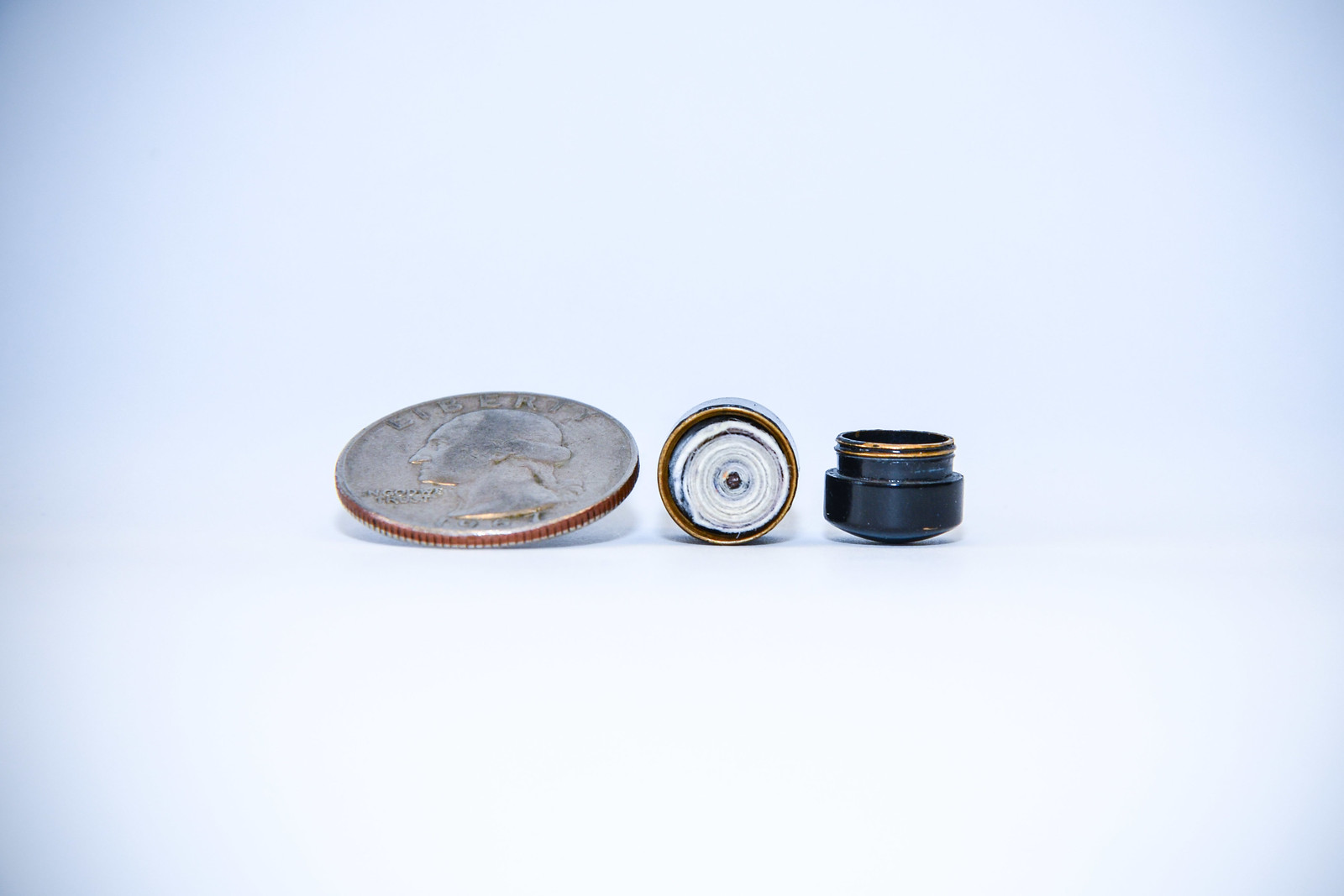
Writing in the world: a tiny geocache container and scroll for logging visits.

More recently, therefore, I have adapted approaches from visual anthropology and visual sociology to the study of writers and their composing practices and environments. Doing so has resulted in many trials and errors, but the struggle has been rewarding: I have learned to use visual methods to explore, analyze, and present the rich materiality of everyday composing practices, and in the process, to formulate new pictures of writers and writing that may be generative for participants and composition researchers alike. More important, by using visual methods in field studies I have been able to create new forms of material engagement with participants about the role of composing in their learning, work, and play.

While critics such as Susan Sontag (1977) have suggested that photography results in the distancing of photographic subjects from photographers, I have found opposite to be true: Visual methods of fieldwork result in qualitatively different forms of intersubjective understanding between researchers and participants. Composing with photography throughout fieldwork can help researchers of writing move beyond mere tautological illustration; by using visual methods, researchers may document and engage simultaneously.

More important, participants may see their own composing environments, tools, and practices in new ways, from different perspectives. A technique known as photo-elicitation uses fieldwork photographs as pivots for better understanding participant practice. For example, by photographically demonstrating a writer’s well-maintained mise en place, the researcher may help make the familiar strange for a participant, and through discussion, develop new insights about their composing practices.

In a similar way, visual methods may result in presentations of experience that are more hyaline and evocative than traditional forms of reporting. Qualitative data is notoriously dense, and for readers, the mass of fieldwork supporting ethnographies and case studies is often opaque. In addition, traditional methods of collection and representation are necessarily sequential; observational fieldnotes, for example, may miss crucial details of actual practice—movements, tools, arrangements, or cross-talk that may meaningfully mediate composing.
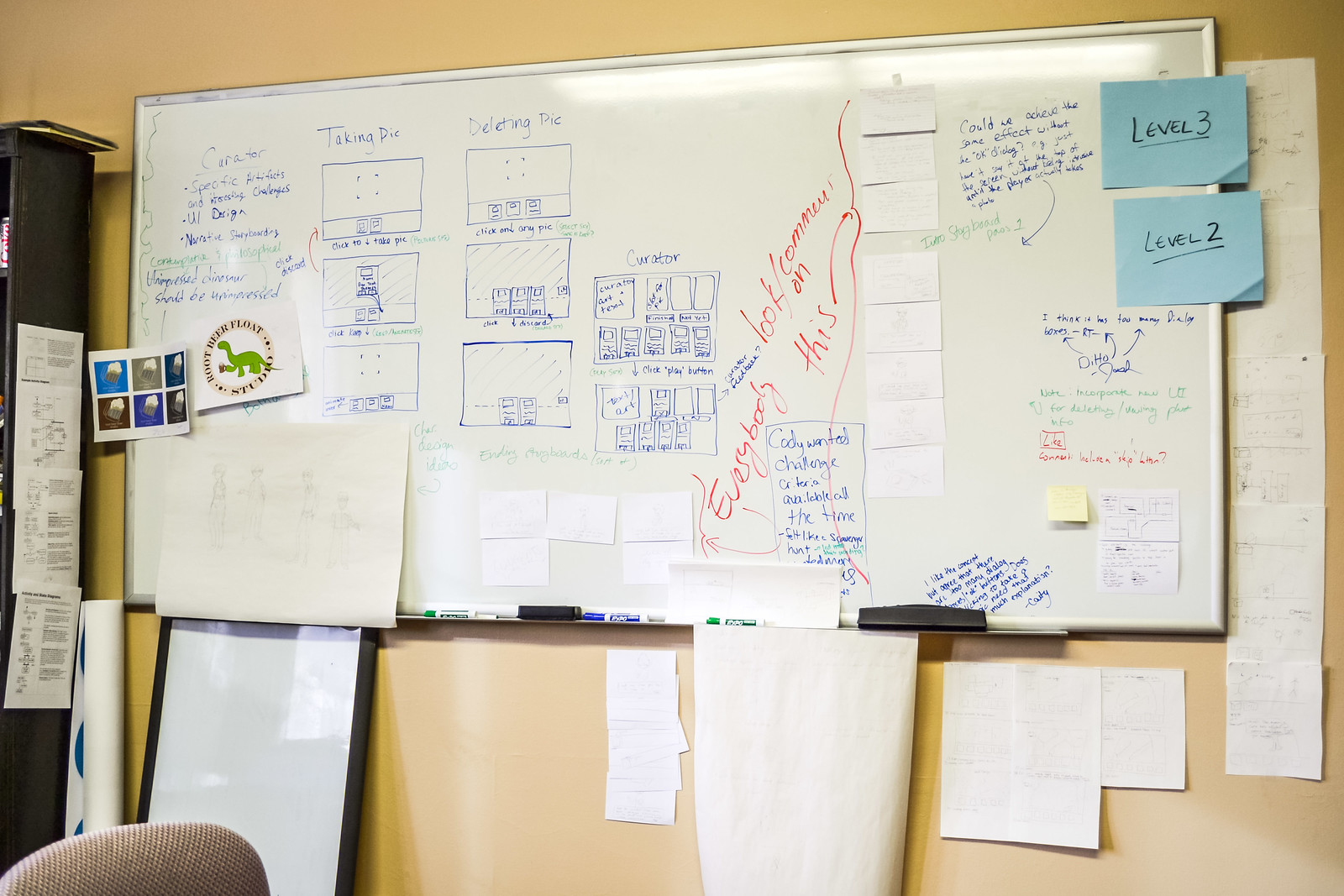
A software studio’s whiteboard is a collaborative space for composing and ideation.

Photographs offer simultaneous renderings of practice, what Flusser (2002) terms surfaces rather than lines. A traditional ethnographer detailing the complex, collaborative work pictured above must transform the simultaneously visible surface of a software studio’s whiteboard into a linear representation of activity. A visual ethnographer, however, can present that visible surface in its full complexity; when coupled with an analytic narrative that details punctuated development, a more hyaline rendering of complex composing practices emerges.

Qualitative research is characteristically ideographic; indeed, visual methods foreground the situated materiality of composing practices. This is a key strength of visual methods as I practice them in studies of writers and writing: the ability to document and collaboratively explore particular systemic contexts and the ways in which artifact assemblages participate in composing processes.

However, in developing new pictures of writers and writing, visual methods have the potential to be nomothetic in the aggregate. Because visual methods may be more hyaline—presenting richer data than traditional methods alone—they carry the potential for fruitful cross-case comparisons of composing practices. Imagine, for a moment, systematically composed and collected photographs of 20,000 first year writers’ typical composing environments and the resulting wealth of both particular (ideographic) and tendential (nomothetic) pictures of writing that might emerge from careful analysis.

Visual methods in empirical studies of writing carry the potential to further develop and realize Brodkey’s argument for re-seeing our object of study, and more important, the people who write. Barthes (1981) argued that “the camera can be an instrument of deep meaning, connecting the scene to the viewer and the viewer to existence” (131). With visual methods, writing researchers can reframe cultural conceptions of where, how, why, and with whom people write in their everyday lives.
10.08.2013

Shanghai Street Food

Shanghai Street Food

During the summer, when I told people that I was going to (or recently returned from) Shanghai, I was often immediately asked about food, and sometimes specifically about street food.

If you know much about me, then you know that I’m a food utilitarian. I eat for calories. I simply don’t care much about food beyond sustenance. This does not mean that I don’t enjoy food; I do. I enjoy the things I eat every day so much that I eat almost the same things, every day. But I am no foodie.

I will try almost anything, and Shanghai presented many opportunities for new culinary experiences. About the only thing I had that was challenging was stinky tofu during breakfast. Served cold, this everyday snack actually smelled fine to me—and was quite wonderful when it hit my tastebuds. On it’s way down my esophagus, however, it exploded in a kind of fermented, spicy, heartburny miasma. Despite that, I’d probably try it again…

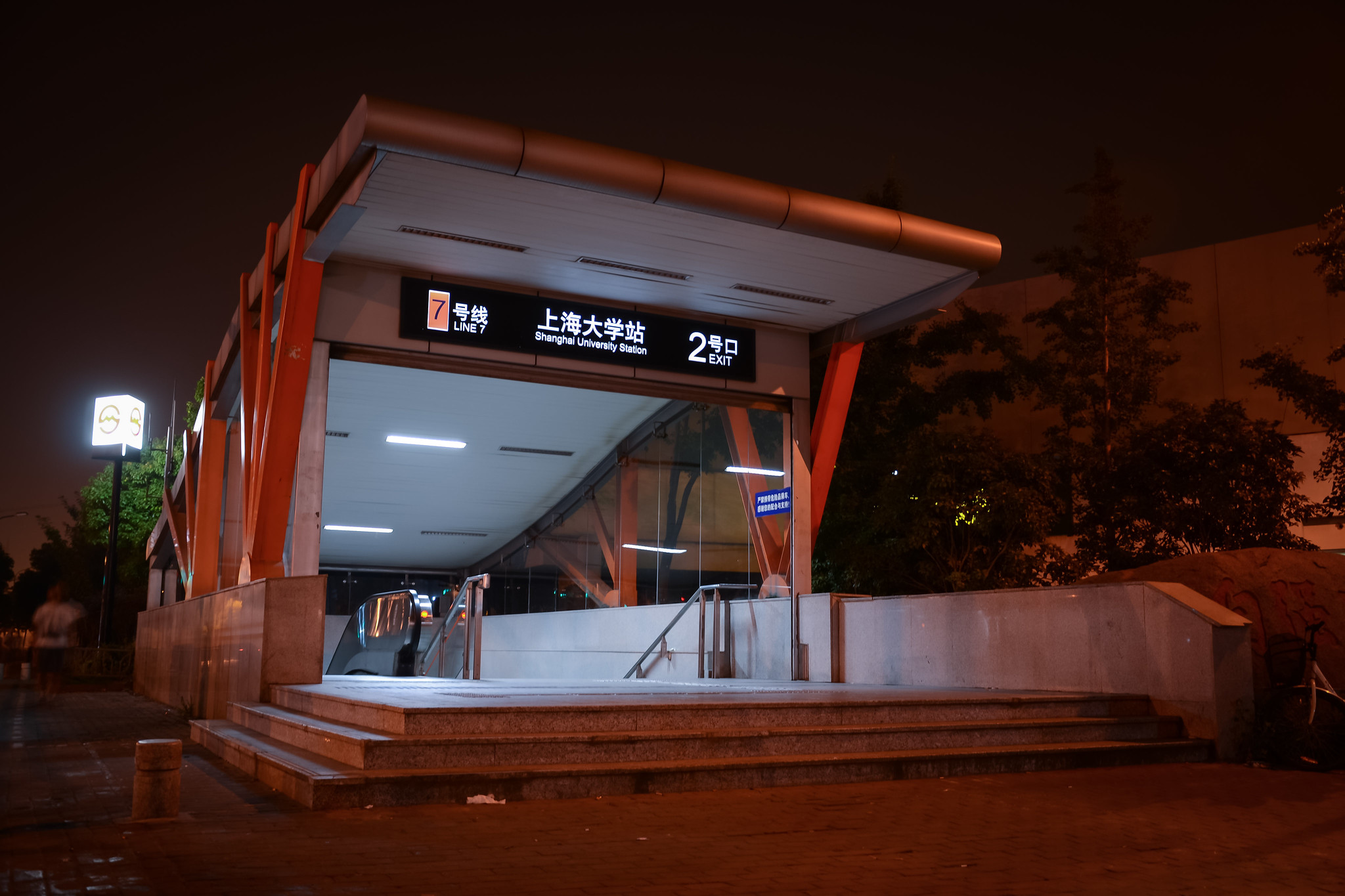
As it turned out, just outside the West Gate of the Baoshan campus of Shanghai University, about a 1.5 mile walk from where I stayed and taught, is Jufengyuan Road, and area that Shanghaiist calls one of Shanghai’s street food meccas. I came to know this area well, visiting daily.

As the Shanghaiist post notes,

The actual Jufengyuan strip isn’t even the main attraction with its fruit wagons, skewer carts, etc. The real deal begins at the alleyway just right of the bridge connecting Shanghai Uni’s west entrance to Jufengyuan Lu - identifiable by the covered picnic tables, shrouds of steam, and scraping of woks. Here, you’ll find fried noodles and rice galore, shawarma, skewers, Chinese breakfast crepes aka jianbing , fried chicken, and our favorite, big Xinjiang skewers with ribs, chicken legs, and other animal parts spitted on medieval-looking metal swords.

This area is amazing. The smells, the open flames, the masses of people moving about carrying xialongbao and sizzling chicken and steaming soups—it’s essentially what I envisioned when conjuring the phrase “Shanghai street food,” and it was incredible that I was within walking distance for two weeks. And while I came to appreciate one stall’s very spicy noodles, I was much more interested in simply being there than in sampling all of the food on offer—the street food scene along Jufengyuan Lu was atmospheric, enveloping, all-encompassing.


At this point, I want to write a few words about my experiences with street photography in Shanghai before I share some photos of the street food scene…

I never felt unsafe during my brief time in Shanghai, even though I stumbled into areas of the city where tourists and laowai are rarely seen. However, there were a couple encounters that I’d describe as “dicey,” and each involved my use of a camera at the time.

I’m fairly conspicuous as a street photographer; I love to shoot in low light and at night, and I’m a stickler for sharpness and legibility. This means that I typically stand out—with a big Manfrotto tripod, a Nikon D7000, a wireless shutter release, and a tendency to shoot low angle, wide frame shots. In other words, people can easily see what I’m doing, and in the process, they may become curious, shy, amused, etc.

This shot, for example, was taken in front of about 25 scooter taxis and their drivers—to the left of frame, and behind the camera—all facing me as I set up, and all watching me with interest. This was photography in front of an audience, and after I made a couple of acceptable shots, I moved along the crowd, showing everyone the resulting images. It was both odd and fun.

But I take few “candid” or furtive street shots. If you see close-up, legible images of people in my street photographs, there’s a very, very strong chance that I asked for permission before shooting. So, in touristy areas like The Bund, nobody cared about my photographic activities. But in a locals area like Jufengyuan Lu, as an obvious laowai with a camera and tripod, I stuck out.

On several occasions in Shanghai, therefore, my conspicuousness was potentially positive or negative (for me, and others). Folks often would set up behind me—squatting down or leaning over my shoulder—as I framed a shot on my tripod, essentially trying to see what I was photographing. When I noticed this, I’d show people my shot, so they could see my results. Then we’d exchange thumbs up or down signs, smiles, shrugs, or frowns depending on what people thought of a given photo.

But on a couple of occasions, people were visibly upset by something I’d done with my camera. The diciest situation occurred just after I’d shot this photo, one of my favorites from the trip:

To the left of the frame, Jufengyuan Road moves out into the distance—a pedestrian, bike, and scooter thoroughfare with major chains (Wal-Mart, KFC), local shops, banks, apartments, etc. Just to the right of the frame is the entrance to the street food mecca.

For me, this fruit stand is visually lovely. I’d purchased cantaloupe skewers here on a couple occasions, and at night, it makes a fantastic photographic subject.

I shot this in the street, about 20–30 feet away from the stand. My tripod was low, the camera perhaps 30 inches above the ground. The woman working the stand moved in and out of frame as I was setting up the shot, and my intention was simply to capture her movement—a blur in the long exposure. In other words, I was shooting the scene—the well-lit stand, the movement of people nearby, the colorful fruit—rather than a portrait.

A man—probably in his 40s or so, shirtless (it was hot and humid), and a bit bigger in stature than I—set up behind me as I framed the shot, clearly skeptical and uneasy. After shooting it, I turned to him, gesturing back toward the camera, indicating as best as I could that I wanted him to look.

Finally, I picked up my camera and held the shot up for him to see. He was pissed. I’m not at all sure why, but he started screaming at me there in the street. He’s yelling in Chinese, I’m offering in English to delete the image, and no one nearby was able to mediate. Finally, he gave me a dismissive wave and I headed off down the street, quickly, hearing a few farewell yells, without taking another shot.

I feel bad, as I clearly did something to cause offense. But I also couldn’t tell if this was the kind of man who often yells at people on Jufengyuan Road. Because of this ambivalence, I kept the photo.

The rest of the photos were shot in the alley, with permission. I returned another night to shoot these, but I was still skittish; I ended up shooting far less here than I would have liked.

This photo is the poorest of the bunch, but it gives a sense of the stalls in the alley. From this view, I am about 2/3 of the way down the alley, so we’re seeing only the final few stalls along the vanishing point. To the right of frame are tables and many, many patrons enjoying their food.

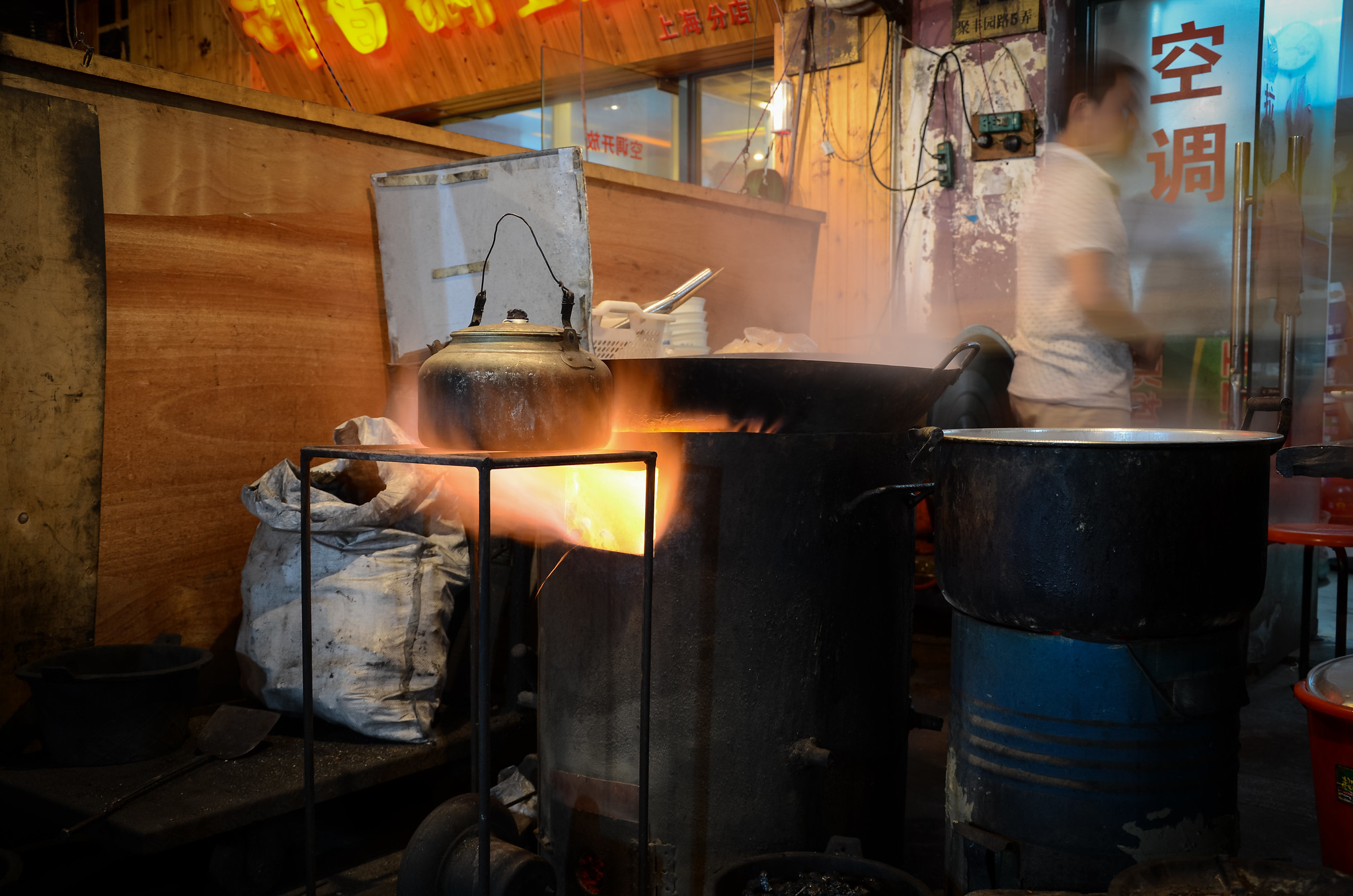
At this stall, a family—a grandmother, son, daughter (or daughter-in-law), and grandchild—were very accommodating, and they really liked the shot after I showed it to them. The huge wok and open flame caught my eye, but I’m really pleased with the little details here—the shovel in the bottom left, the dividing paneling, the electrical sockets and peeling paint. A perfect environment for street food!

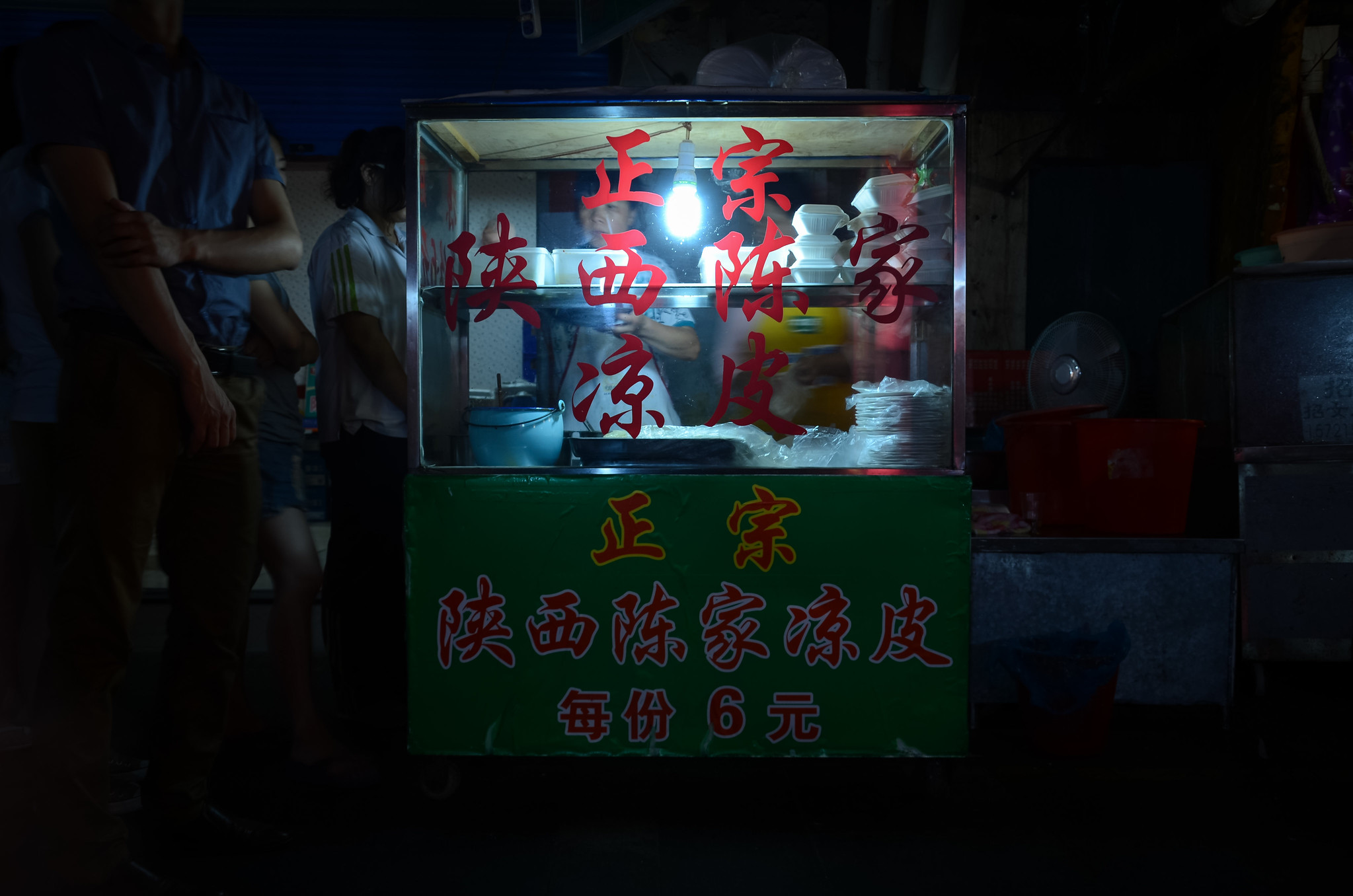
This image is intentionally dark; to the left of frame, a line stretched easily twenty people deep. The single bulb illuminating the workspace caught my eye.

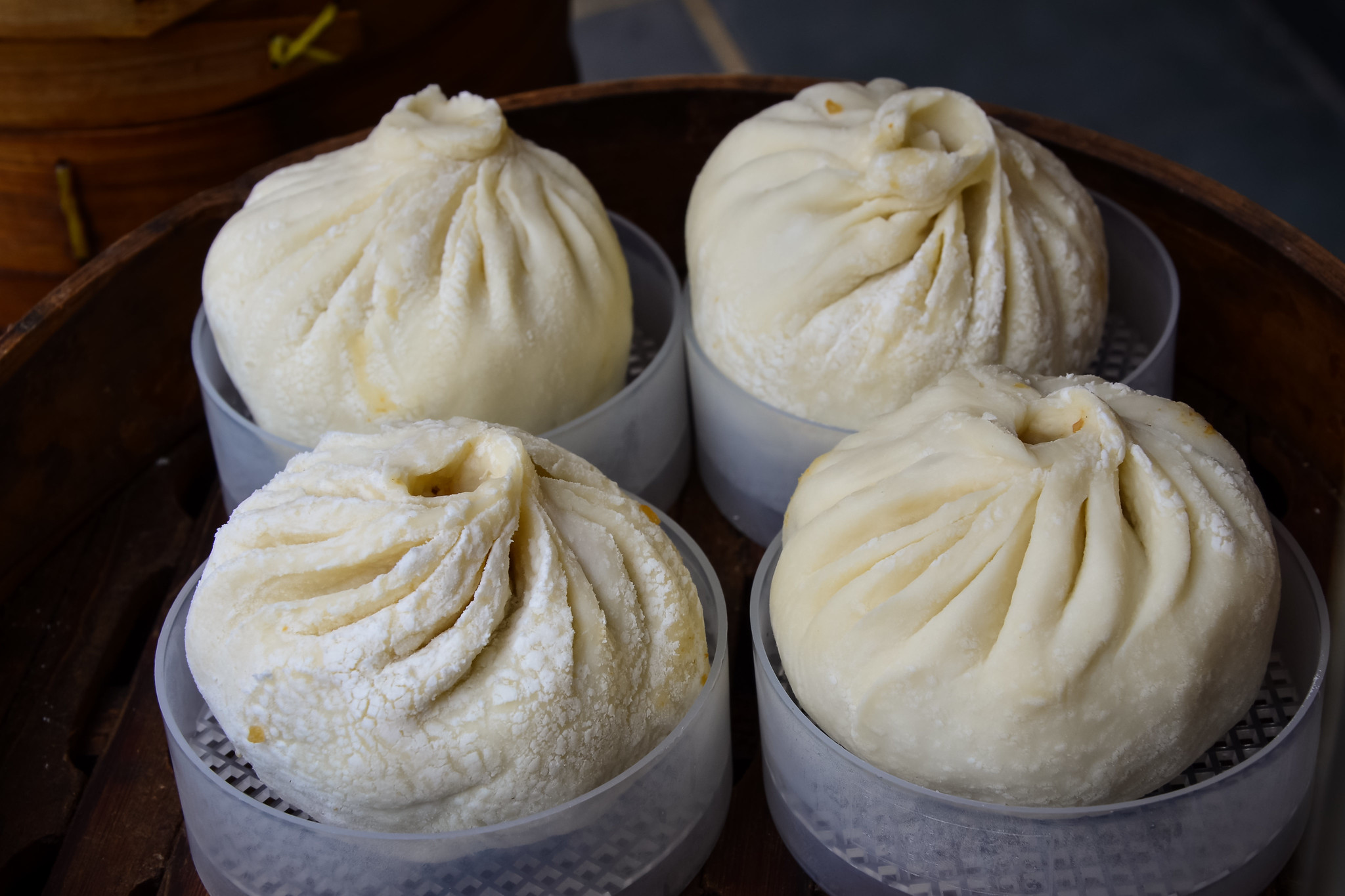
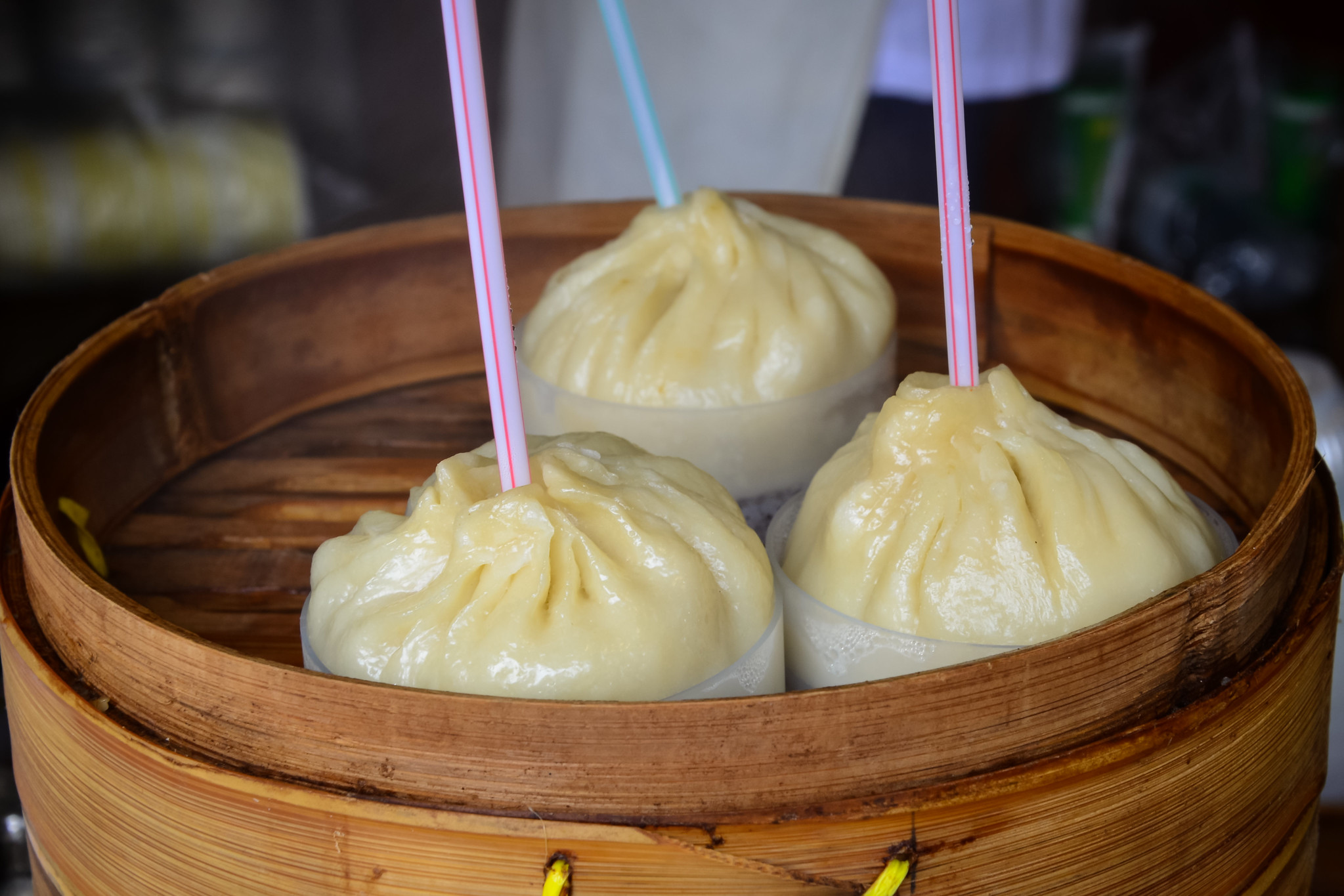
Finally, a couple of the few food close-ups I shot, before and after.

9.28.2013

Three Ontological Provocations

Three Ontological Provocations

I was invited to give an Ignite presentation at SIGDOC 2013.

This was my first try at giving a presentation in this format, and I must say, it's much more enjoyable than the typical academic talk.

All of the photos here are from my ongoing fieldwork exploring the geocaching community. I'd love to hear your thoughts on this talk!

8.20.2013

Shanghai Graffiti

Shanghai Graffiti

I have a few more posts from my summer teaching in Shanghai on the horizon, including today’s on graffiti and stencil art.

I spent much of my time on the Baoshan campus of Shanghai University; I learned quickly, thanks to some impressive heat and humidity, that there were areas of campus that remain shaded throughout the day. For example, many of the main instructional buildings had bicycle garages at the ground floor, like this one:

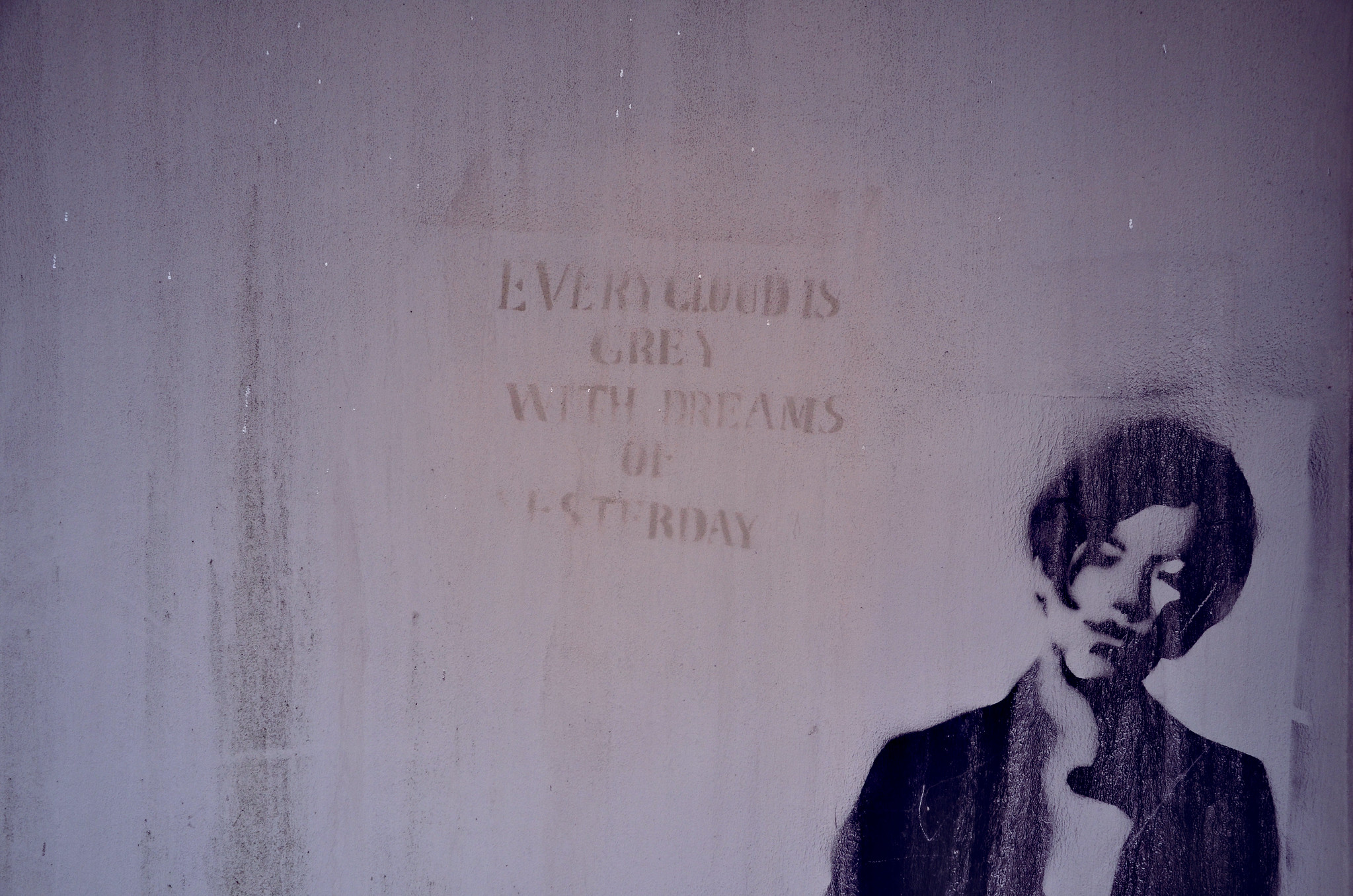
The walk to my classroom was about a mile or so, and I covered most of it by moving through the bicycle garages of a row of instructional buildings. And since I spent a fair amount of time there, I noticed some interesting stencil graffiti, which I couldn’t help but photograph.

Overall, however, there were few examples of graffiti that I saw during my two weeks in Shanghai. It's a big city, though, and I saw only a fraction of it!

7.31.2013

Everyday Details

Everyday Details

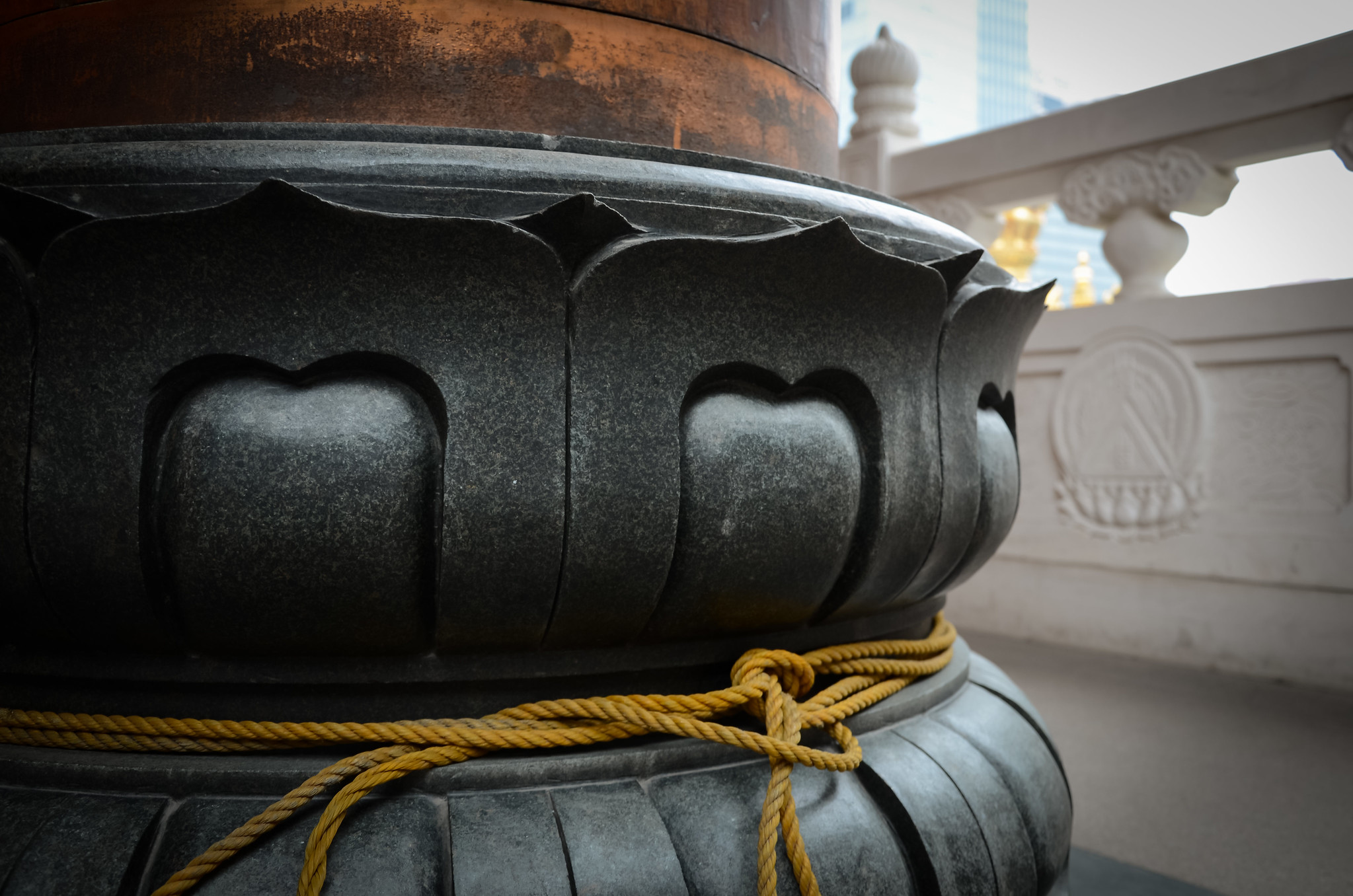
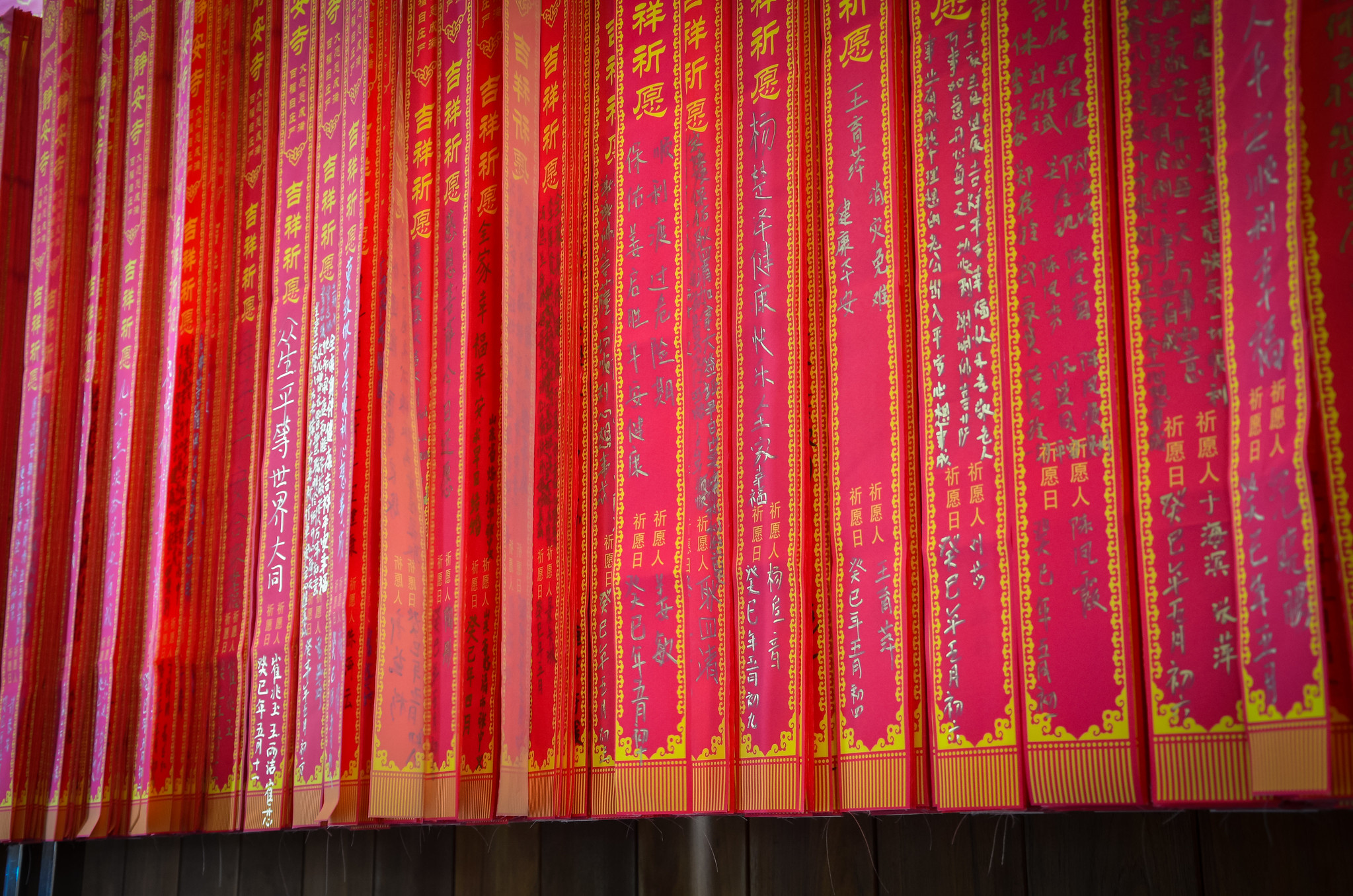
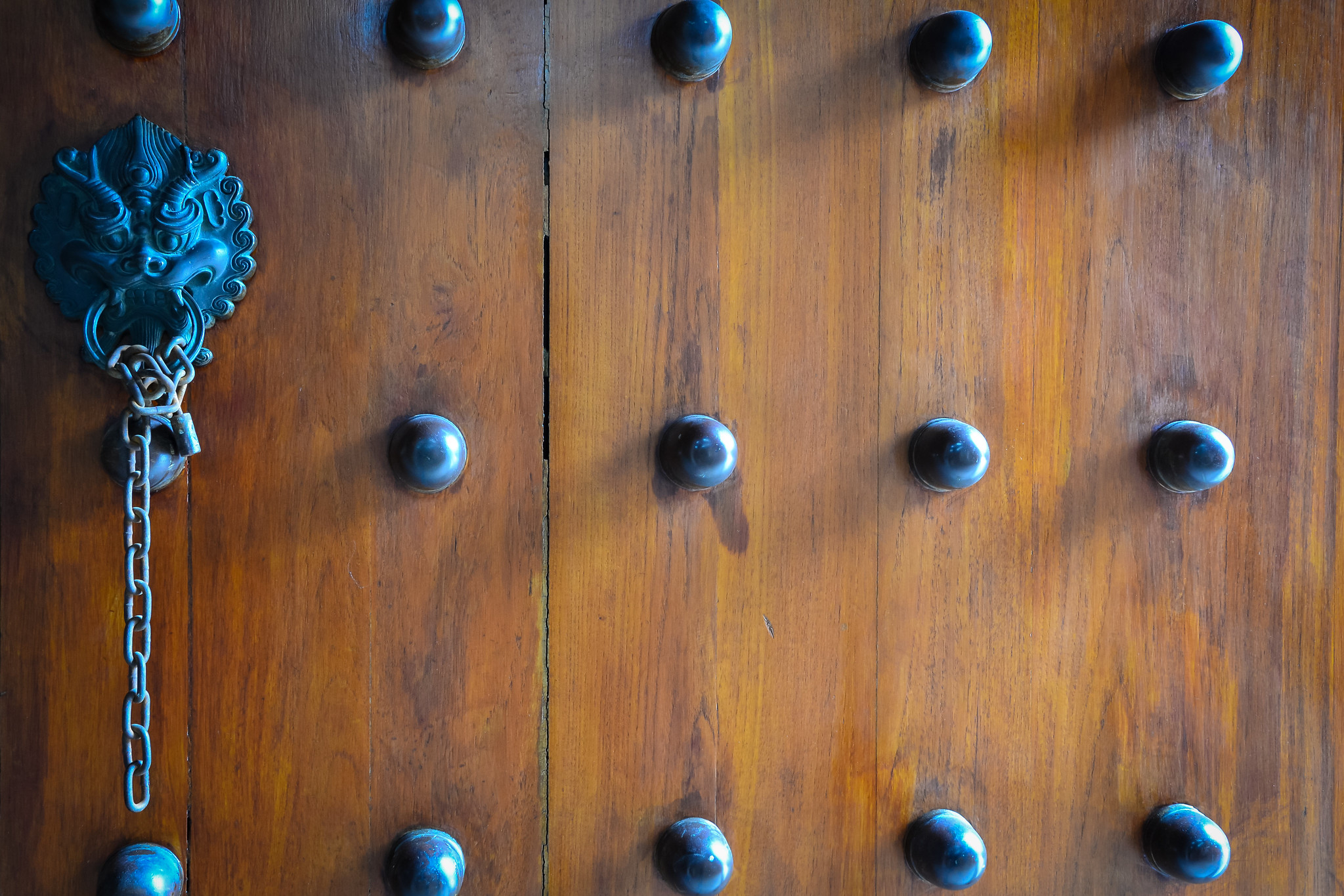
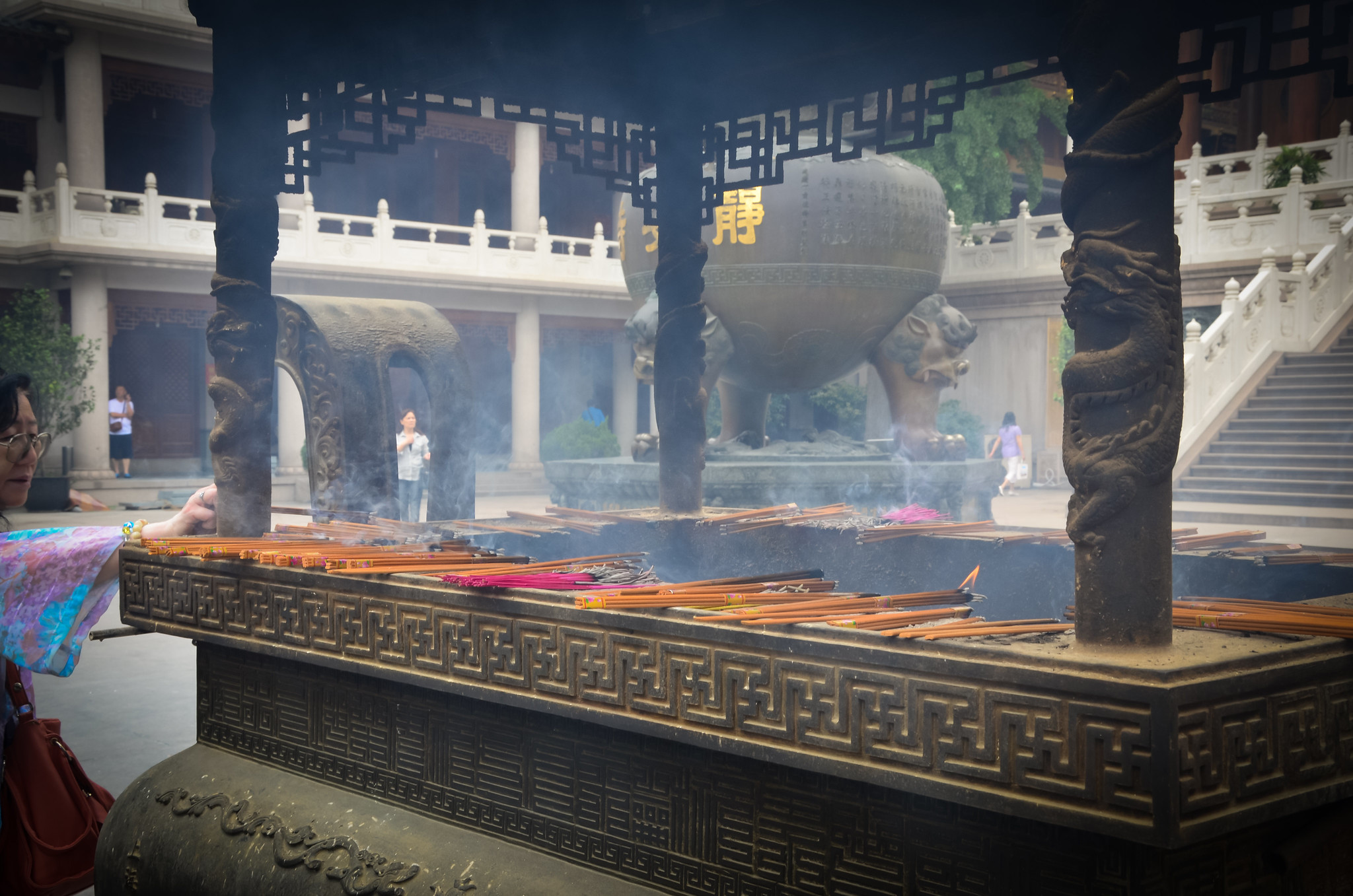
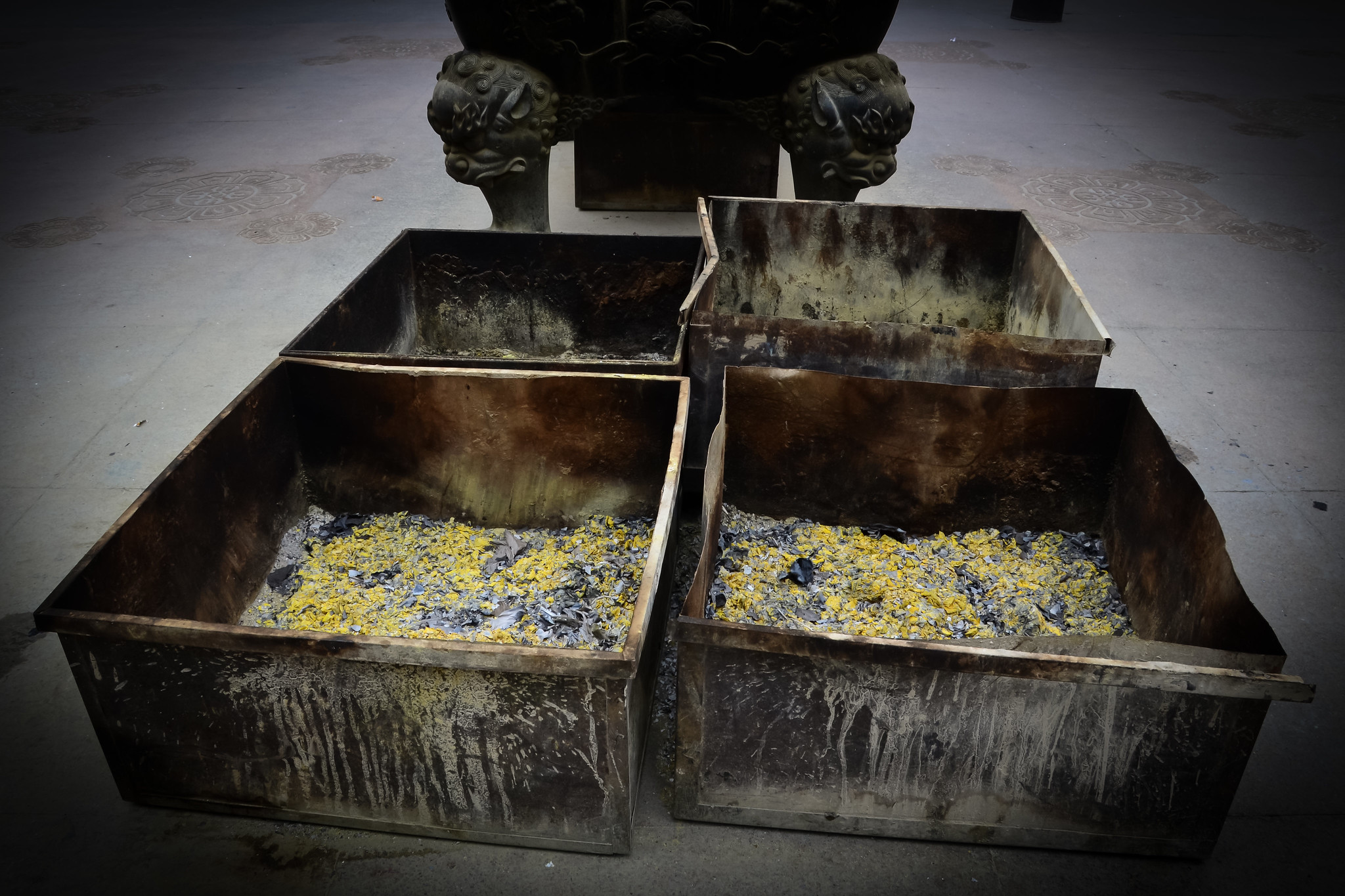
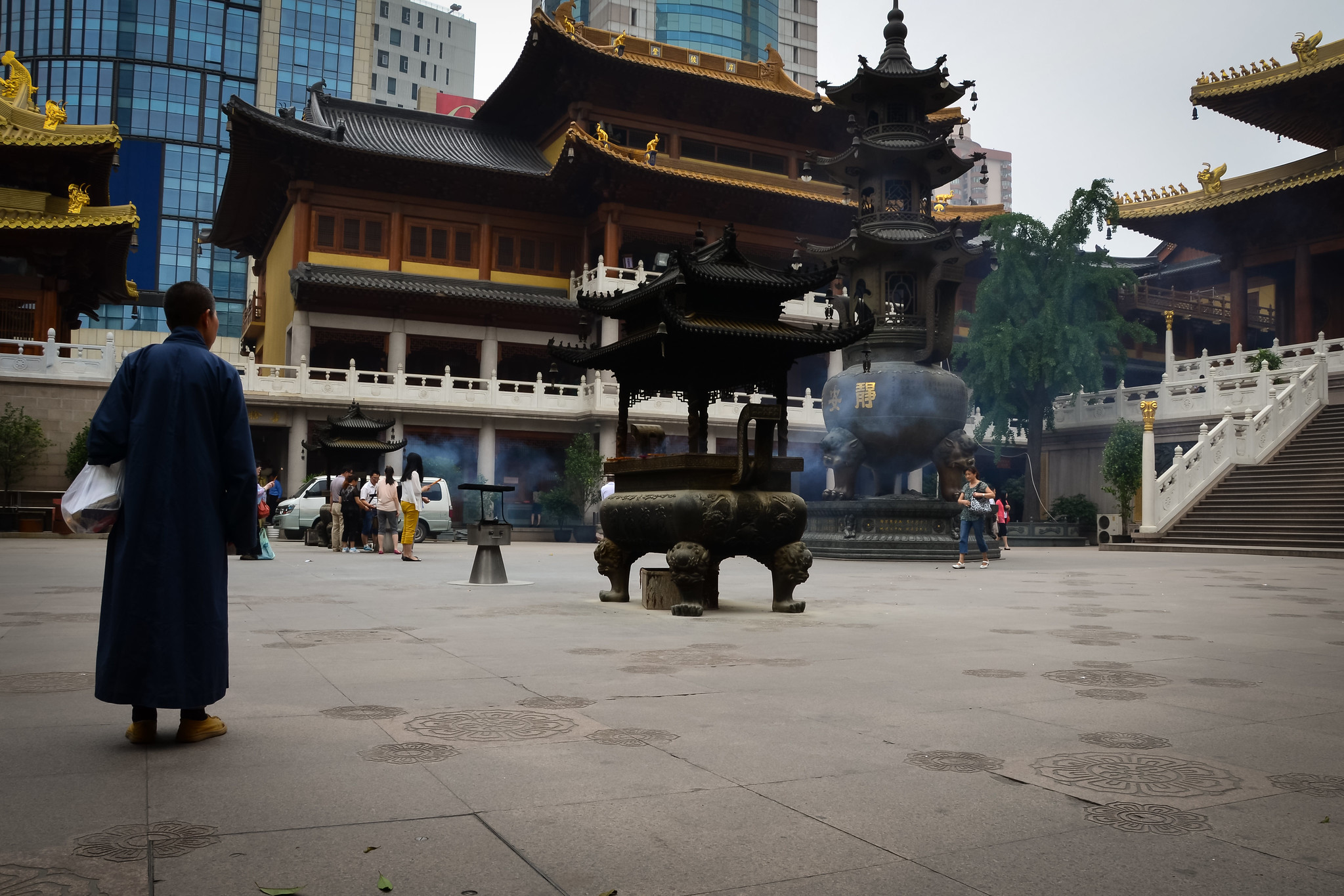
While I was in Shanghai, I spent half a day in and around Jing’an Temple, a key site of contemporary Han Buddhism in China.

This is a fascinating place for many reasons, but what I found most interesting were the everyday details—from the feel of architectural materials and their accompanying visual flourishes to the smell of incense and the sounds of visitors lobbing yuan coins into the central metal tower.

If you regularly read this blog, then you’re possibly aware of my ongoing multisensory ethnography of Eucharistic Adoration practices. Perhaps out of researcherly habit, I found myself zeroing in on Buddhist analogues while I was at Jing’an Temple, taking many photos of the seemingly small, often fleeting and sensory everyday details that help make a sacred space sacred.

What we often overlook, though, are the details that make everyday spaces what they are. We can extrapolate from these exemplary spaces, I think, and look at quotidian spaces in new ways.

7.24.2013

Shanghai Selfies

Shanghai Selfies

Folks in cultural studies and related fields have been banging this drum for years: we are immersed in images. We have been, sure, but awareness of ambient photography has recently gone mainstream in a big way.

I’m actually glad that I’m not studying a phenomenon like selfies right now; I’m mildly surprised by the amount of work that's already been done.

I’m a reluctant photographic subject. In point of fact, I despise pictures of myself. But sometimes they’re necessary, sometimes being in a photo is polite and tactful, and sometimes they can simply mark a happening or event.

I spent two weeks in Shanghai last month, teaching a short professional communication course at Shanghai University. I’ll have more to say about this experience in subsequent posts; for now, I’ll just say this: I loved Shanghai, I loved my students, and I can’t wait to go back.

On a few occasions during my time in Shanghai I felt compelled to photographically document my experience, mainly for my family, by using this tried and true equation: human + location = experiential documentation.

I realize that these aren’t selfies, per se, but they’re as close as I’m likely to get. [1]


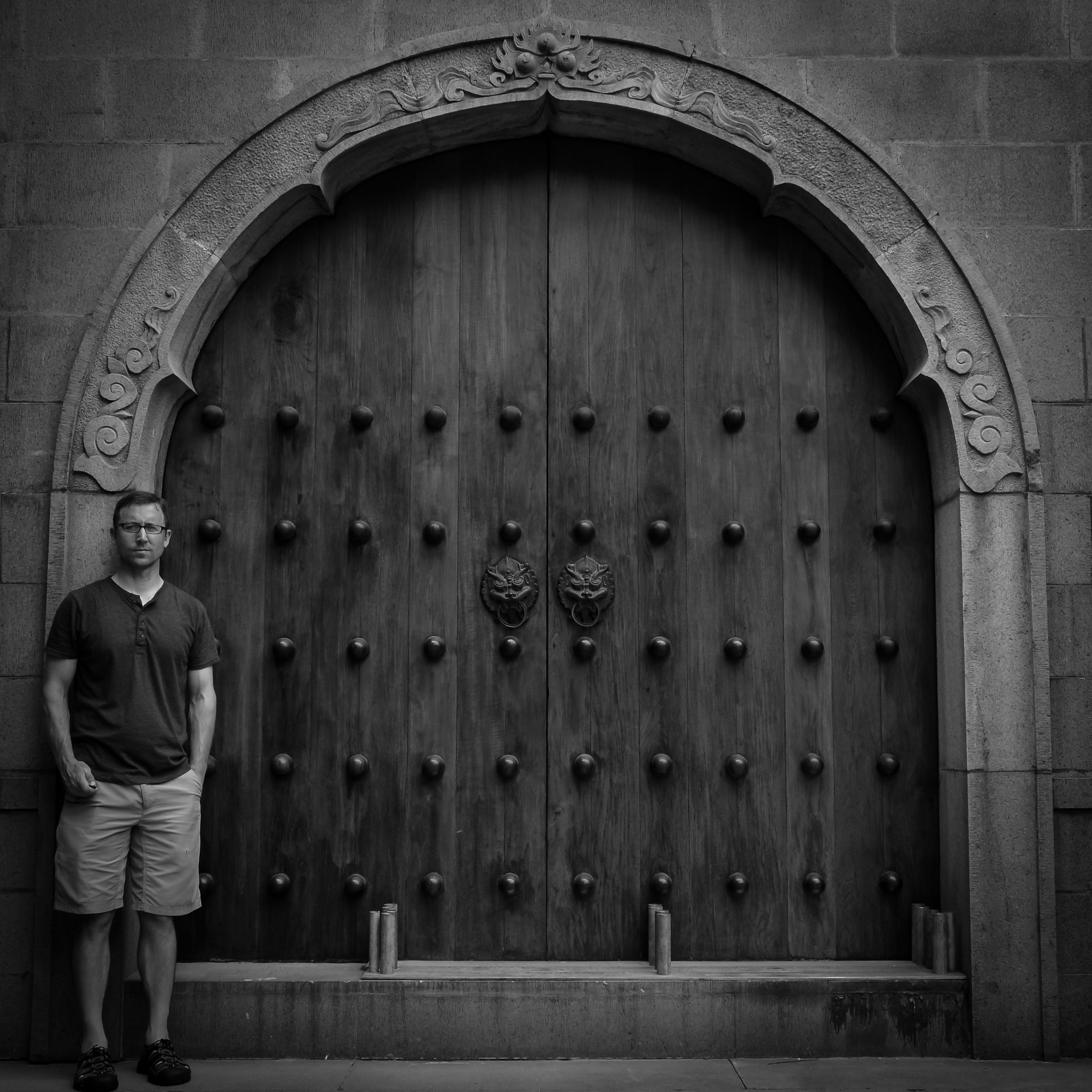
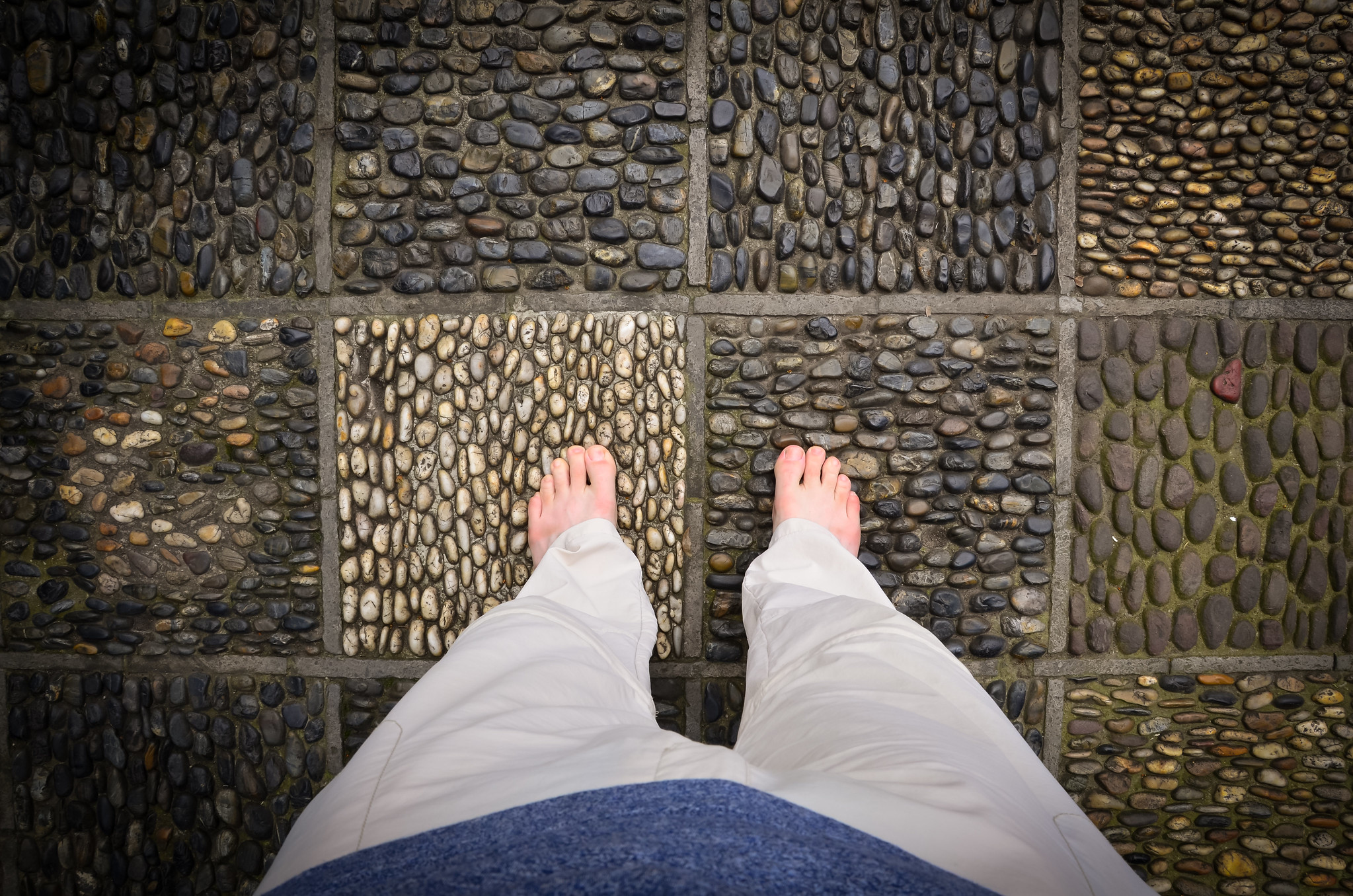
  1. Photo 1: a door at Jing’An Temple; Photo 2: a little tea garden and spicy peanuts (I was the only laowai there); Photo 3: Yuyuan Garden footpaths, sensibly designed to soothe and massage bare feet.  ↩

4.03.2013

Diary of an A1349

Diary of an A1349

2 April, 2013

Awakened at 4:37 a.m., top-button depressed and face-down; flipped, mostly horizontal. Light-bringer mode; quick-check.

Displaying 3 @replies from the previous 24-hour period—alerts in lock screen + banners. Swiped.

Retrieve and display Lexington weather. Banners for 6 emails are discarded in turn. Asleep.

Awakened at 4:46, various angles, moving, light-bringer mode in lock screen. Elevation change. Asleep.

Awakened at 4:48 by 110 volts; charge commenced. Asleep, horizontal.

—

[ Email received 5:02 ]

[ Email received 5:23 ]

[ Email received 6:08 ]

[ Email received 6:24 ]

—

Awakened at 6:32, top-button depressed, light-bringer, time-giver, status check, horizontal. Asleep.

—

[ Email received 6:46 ]

—

Awakened at 6:52, voltage disengaged, horizontal. Asleep.

—

[ Various angles, moving, slipped into semi-vertical position, top down. Moving for 32 minutes, south-southeast; distance traveled 1.74 miles. ]

[ Patterson Office Tower, elevation gain; rest, semi-vertical, 108°. Joined uky.edu network. ]

[ Email deleted 7:58 ] / [ Email deleted 7:58 ] / [ Email deleted 7:58 ]

[ Email deleted 7:59 ] / [ Email deleted 7:59 ] / [ Email deleted 7:59 ] / [ Email deleted 7:59 ]

[ Email moved to folder 8:00 ]

—

Awakened at 9:06, top-button depressed, time-giver. Asleep, semi-vertical 108°.

—

[ Email received 9:39 ]

[ Email received 10:27 ]

—

Awakened at 10:34, SMS/iMessage alert, lock screen:

Aaron asked if him and 2 of his friends can stay at our house tonight. I figured u wouldn’t care but thot I’d ask

Asleep, semi-vertical, 108°.

—

[ Email received 11:13 ]

—

Awakened at 11:14, SMS/iMessage alert, lock screen:

It’s gonna be way colder than they prepared for.

Movement. Semi-horizontal, positioned-in-hand. Message swiped with index finger, SMS app opened, iMessage reply started. Typing with single index finger, electrical impulses.

Well, I won’t turn them away, of course. Not exactly thrilled about it, though.

Movement. Semi-vertical, 108°. iMessage reply received and displayed:

Yeah me neither

Asleep, semi-vertical, 108°.

—

[ Email deleted 11:21 ] / [ Email deleted 11:21 ] / [ Email deleted 11:21 ]

—

Awakened at 11:31, SMS/iMessage alert, lock screen:

Mesa asked if she could go shopping with Lucie tonight but I told her she’s grounded. She asked for how long.

Movement. Semi-horizontal, positioned-in-hand. Message swiped with index finger, SMS app opened, iMessage reply started. Typing with single index finger, electrical impulses.

No. I won’t know how long until we have a chance to talk to her.

Asleep, top-button depressed, semi-vertical, 108°.

—

[ Email received 12:16 ]

[ Email received 12:18 ]

[ Email received 13:13 ]

[ Email received 14:36 ]

[ Email received 15:10 ]

[ Email deleted 15:16 ] / [ Email deleted 15:16 ] / [ Email deleted 15:17 ] / [ Email moved to folder 15:23 ] / [ Email moved to folder 15:29 ]

[ 2 new app updates received ]

—

Awakened at 15:32, top-button depressed, time-giver, semi-vertical, 108°.

Asleep, top-button depressed, semi-vertical, 108°.

—

[ Email received 16:24 ]

[ Email received 16:57 ]

[ Email deleted 17:12 ] / [ Email deleted 17:12 ]

—

Awakened at 18:17, top-button depressed, time-giver, semi-vertical, 108°.

Asleep, top-button depressed, semi-vertical, 108°.

—

[ Various angles, moving, slipped into semi-vertical position, top down. Elevation change. Moving for 31 minutes, north-northwest; distance traveled 1.72 miles. ]

[ Home. Horizontal. Joined home network. ]

—

Awakened at 19:06, top-button depressed, swiped.

Open Twitter app, update feed, displaying @s.

Displaying feed, current. Upswipes, electrical impulses, slow scrolling back in time.

Asleep, top-button depressed, horizontal.

—

[ Email received 19:26 ]

[ Email received 19:43 ]

—

Awakened at 20:12, top-button depressed, time-giver.

—

[ Email received 20:51 ]

—

Awakened at 21:13, top-button depressed, swiped.

Open email app, displaying inboxes. 3 emails selected; 3 emails deleted.

Asleep, top-button depressed, horizontal.

—

Awakened at 21:49, top-button depressed, time-giver, semi-horizontal.

Asleep, face-down, semi-vertical.

—

Awakened at 22:17, Twitter alert, lock screen.

Asleep.

—

[ Email received 23:21 ] …[1]

3.02.2013

Craft Tweets

Craft Tweets

What would craft tweets look like?

I’m thinking here of an (admittedly poor) analogy between craft tweets and craft beer…


I created an experimental Twitter account a few weeks ago. Called @the_smudges, this account builds from an idea I first started floating during formal talks I gave in the fall of 2011, when I was on the job market (at some point, I’d like to give a more meaningful, public version of this talk).

The idea behind the talks, and behind @the_smudges, is fairly simple: in the course of our everyday, we leave traces—like smudges on countertops, light switches, and alley walls, or through our generation of digital ephemera. The smudges of everyday life are thus traces of human (and nonhuman) behaviors and entanglements. And we might think about what those smudges mean as we look for and describe them.

From this basic idea I built an argument about tracing and exploring digital smudges in practice, and I drew from one of my ethnographic studies to ground my argument.

I’m fascinated by everydayness. I’ve been practicing my attention to smudges for a few years now. And I envision @the_smudges as a place where, in one carefully crafted post each day, I might practice the craft of writing rich ethnographic observations that meaningfully evoke ordinary affects (Stewart, 2007)—actions, experiences, potentials, trajectories, intensities, and sediments.

I suppose the audience I have in mind are folks similarly interested in ethnographic observation, everydayness, and broader meanings invoked/evoked by smudges, folds, interstices.

These tweets aren’t meant to be anything more than viable, meaningful ethnographic observations. I’m not trying to write poetry.

I am interested in slowing the pace of flow-based media, of working at and through writing carefully, well. In contrast to my normal tweets, these are much more intentional, slow, meditative. I hope.


So that’s all preamble to the primary purpose of this post: exploring the notion of craft tweets.

Yesterday morning, I hiked to the Kentucky River overlook at Raven Run. On the return portion of the loop, I stopped for a few moments, struck by the nearly fluorescent green moss covering a hundred and more stones on either side of the wooded trail.

The lighting conditions were ideal: a slate gray sky, sun not yet overhead, a damp forest floor, and a winter-driven paucity of vegetation.

Here’s the tweet that I wrote for yesterday:

As best as I can recall, here’s the process of writing the tweet:

  • First, keep in mind that I don’t carry my phone into the woods; I started thinking about how to represent in writing this moment of ordinary affect as I stood there on the trail in the morning quiet...
  • I was still about 2 miles from my car. I thought about the moment as I hiked.
  • I thought about elements of experience—sky, colors, sounds?, stones or rocks?, is the light snow important or not?
  • I started drafting, in my head.
  • I traded words for other words—fluorescent? luminescent? incandescent? glowing?
  • As I hiked on, I thought about craft; what if I could workshop this one tweet? How might I slow it down, think it through, iterate?
  • I drafted some more, continued to take in my surroundings, avoided slipping in the mud, dreamed of a private wiki for workshopping craft tweets with other folks.
  • I thought about craft beer, about my colleagues Jenny Rice (say yes to the text) and Jeff Rice (what is the nature of obsession? the relationship to craft?).
  • At the parking lot, I opened the car door, found my phone, typed a draft.
  • I put my phone on the passenger seat.
  • I slapped my muddy shoes on the pavement, put on clean socks and shoes, unrolled my pants, thought.
  • I picked up my phone and changed a word or two. Drove the 15 minutes home.
  • I exchanged the car for my bike. Rode to work. Revised in my head.
  • At my office, I revised again, materially. Eventually hit send. Unsatisfied.
  • I thought of many other things along the way, interwoven with this little task.

All told, my guess is that I took around two hours to compose this tweet. I suppose that’s slow, but my overriding sense was that this writing work should have been much, much slower.

Mostly, I thought of the lower division undergraduate creative writing workshops I attended so many years ago. I thought about how nice it would be to share my draft with peers, to be questioned by them, maybe to get a little defensive even, to work through that defensiveness, to improve.

And then I thought about parking craft tweets for a bit. Using digital workshops. A fermentation process. Add hops (always, always add hops). Think through drafts with others, problematize them, consider pressure points, potential trajectories, affects.


Is this somewhat antithetical to the medium?

Not to me, for Twitter, while certainly carrying some popular genred norms, is nearly as protean as any other genre of written communication and its concomitant constraints.

In other words, this isn’t an argument for what Twitter should be or how others should tweet; just some musing on craft that could apply to any genre. I happen to be thinking about it relative to Twitter because it’s manageable for me.